Softball Cleats & Shoes FAQs
What are the different types of softball cleats?
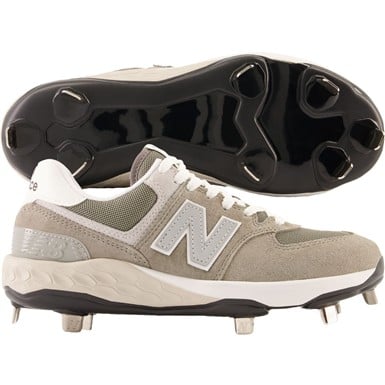
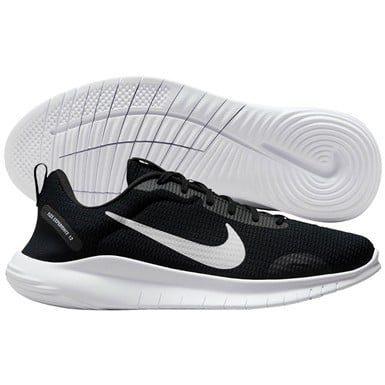
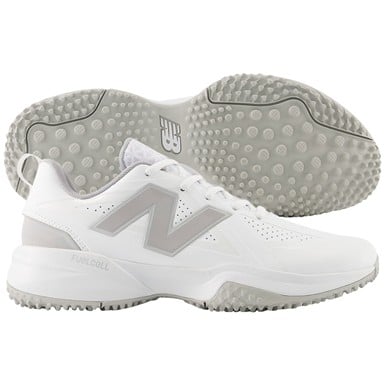
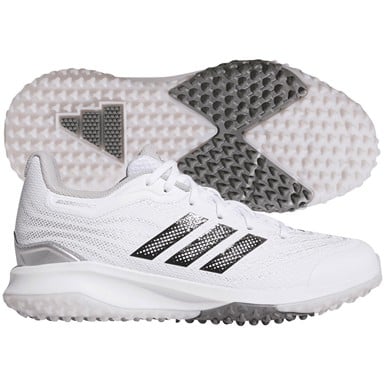
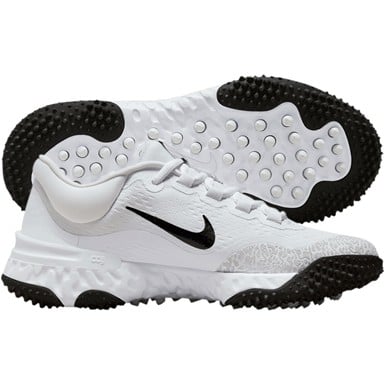
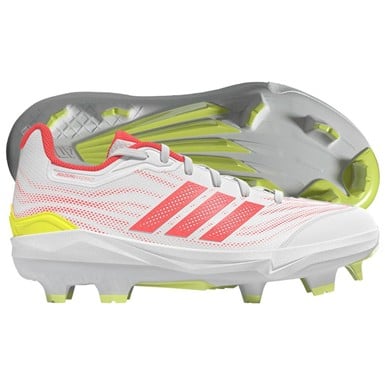
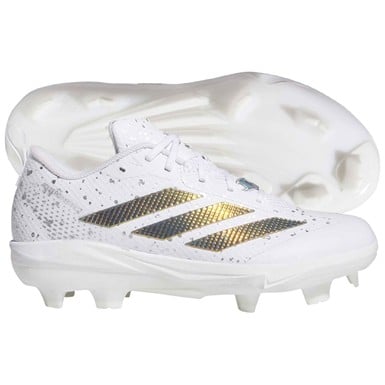
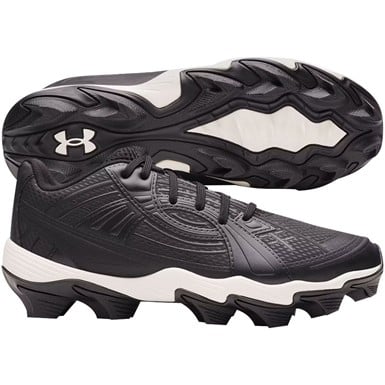
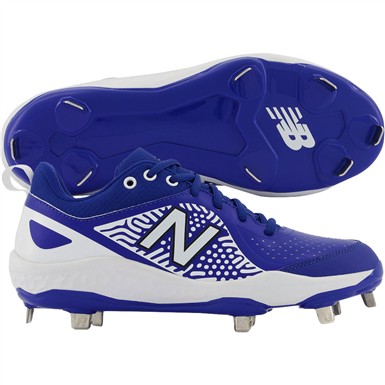
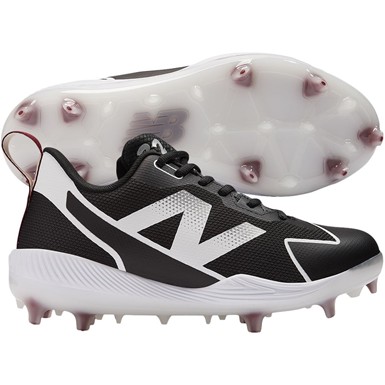
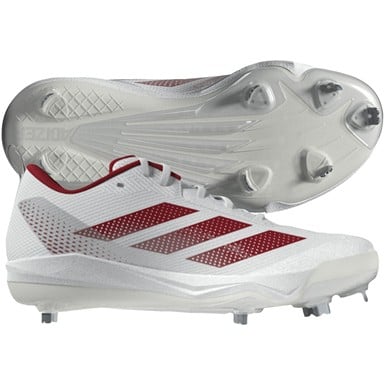
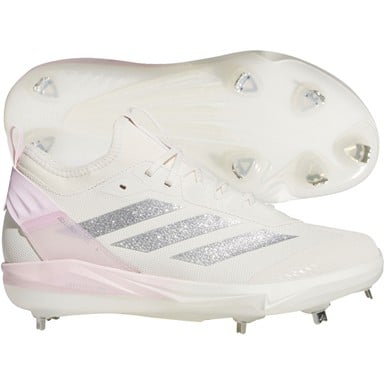
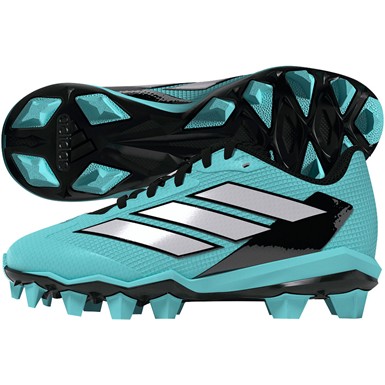
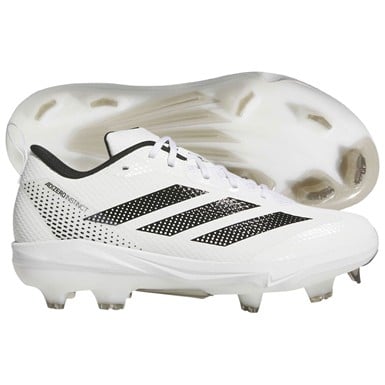
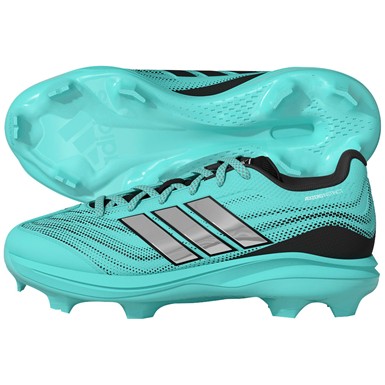
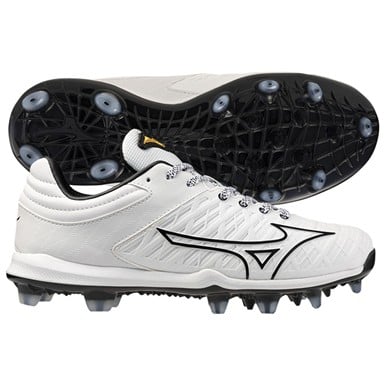
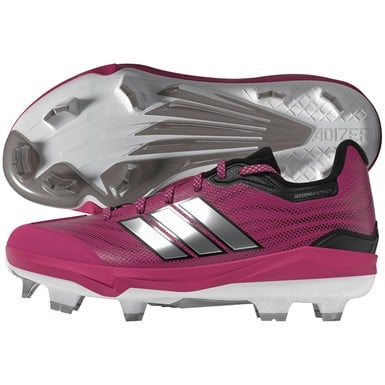
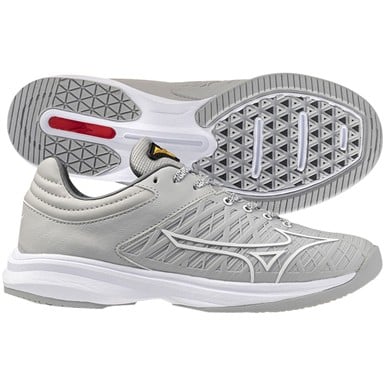
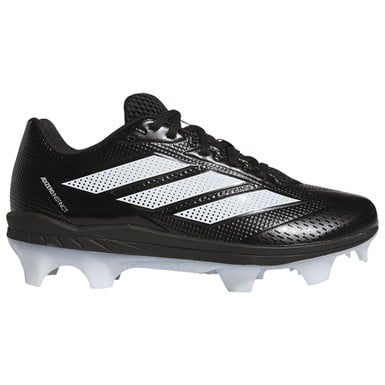
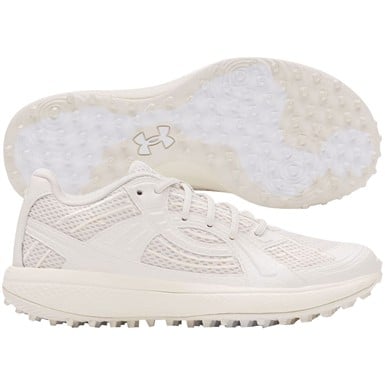
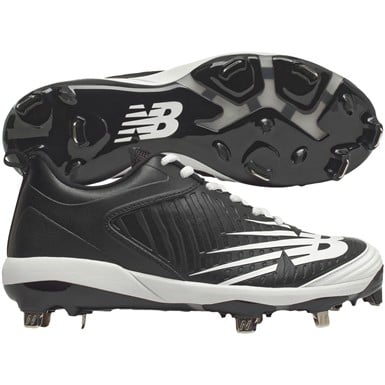
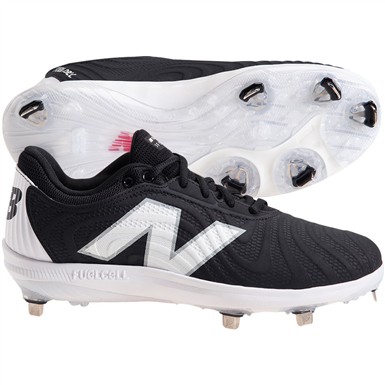
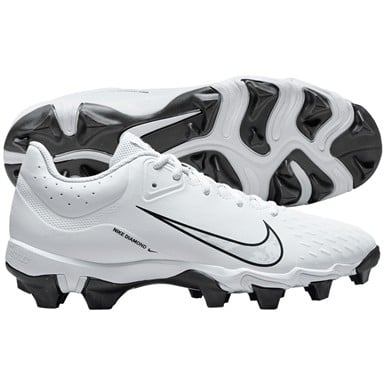
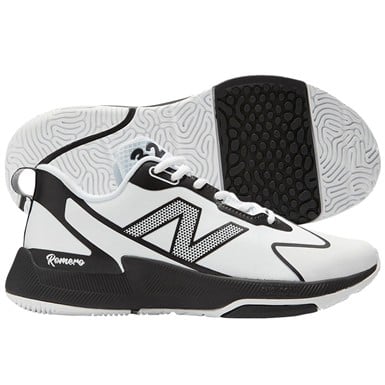
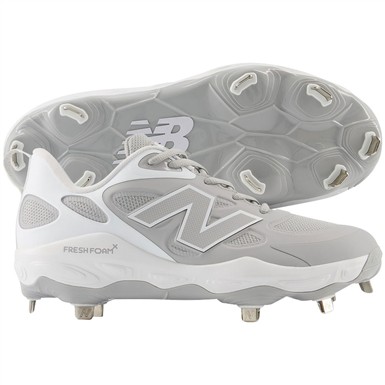
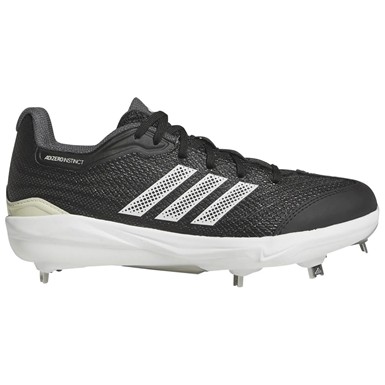
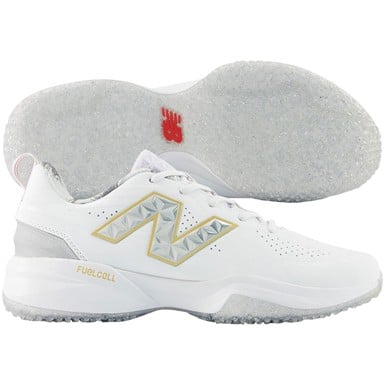
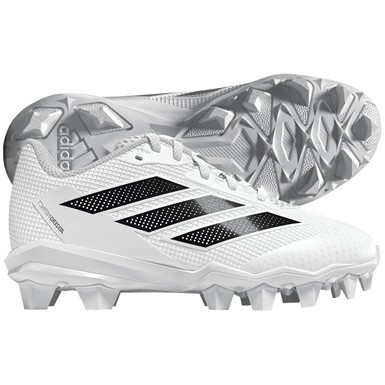
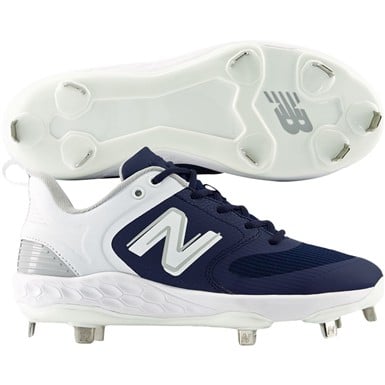
Softball cleats generally fall into three main categories: metal, molded, and turf. Metal cleats use thin, sharp studs that dig into firm dirt and grass for maximum traction, making them popular in higher-level fastpitch where rules allow. Molded cleats have plastic or TPU studs permanently attached to the outsole; they're more versatile, work on a variety of field conditions, and are usually approved in youth and recreational leagues. Turf shoes feature many small rubber nubs that grip artificial turf and hard-packed surfaces, and are ideal for training, indoor facilities, and some game play on synthetic fields.
Are there different softball cleats for different positions?
Yes. While any softball cleat will give you basic traction, certain designs work better for specific positions and movement patterns. Pitchers often benefit from stable cleats with reinforced toe areas and supportive plates that hold up to repeated drag motions. Infielders typically prefer lighter cleats with low-profile studs that support quick lateral cuts and fast first steps. Outfielders may favor cleats with slightly deeper or more widely spaced studs to help them sprint and plant securely in grass. Choosing a cleat that matches how you move on the field can improve both performance and comfort.
Which type of cleat is best for fastpitch softball?
For competitive fastpitch softball, metal cleats are often preferred because they provide the most aggressive traction on firm dirt and grass, helping with explosive starts, powerful push-offs, and sharp direction changes. However, league rules vary, and some levels restrict metal spikes, especially for younger players. When metal isn't allowed, high-quality molded cleats are the next best option, offering reliable grip with more forgiving studs. The best choice ultimately depends on your league rules, field conditions, and personal comfort, but many serious fastpitch players choose metal when permitted.
Are there different softball cleats for turf vs. grass?
Yes. Softball cleats are often designed with a specific surface in mind. On natural grass and traditional dirt infields, metal or molded cleats with longer studs dig into the surface for secure traction during sprints, stops, and quick cuts. On artificial turf, those same studs can feel unstable, create pressure points, or even be banned by facility rules. Turf shoes solve this by using lots of small rubber nubs or a textured outsole that grips synthetic grass without digging in too deeply. If you regularly play on both surfaces, many players keep one pair of molded cleats for dirt and grass and a separate pair of turf shoes for synthetic fields and training.