AQID: 644a3ba033bab9dc3d0f56d6aecd2417

Youth Softball Face Guards

17 Results
Selection of a filter will refresh the page with new results.
Sort By: {{opt.text}}

Youth Softball Face Masks for the Plate & Field


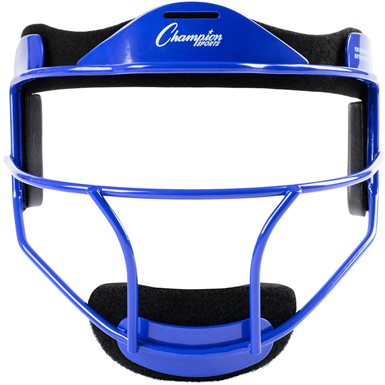
Softball face mask youth options combine lightweight steel or high-grade polycarbonate with smart ventilation and adjustable pads for a secure fit that does not block vision or weigh kids down. These masks stand out for protecting cheeks, nose, and jaw where a ball might glance off unexpectedly, letting players focus on fielding or batting without distraction. The difference is in the comfort features: flexible chin cups, multiple strap points, and open sightlines keep every catcher, infielder, and hitter safer at practices and games alike. Brands you know and trust offer models that stand up to daily team action no fidgeting during warmups, just gear that stays put.


On the field, youth softball fielder's face masks show their value whether you are breaking in new dirt at your kid's first Saturday morning scrimmage or running late-night drills under the lights. Younger players pair them with essentials like softball fielding gloves for line drives at the corners or use them with gear as simple as practice tees and softball bats at home in the backyard. Gear from trusted brands blends with today's lightweight uniforms and keeps up with style trends, so no one feels awkward stepping from practice to games, or through the dugout lineup after a big out.


If you are picking out a mask for your player, double-check league requirements for protective equipment since some leagues do insist on a certain fit or coverage for infielders. Check the adjustment points and look for seamless pairing with sunglasses and other gear, since nothing is more frustrating than a mask and glasses fighting for the same space on a kid's face mid-inning. After a dusty weekend on the diamond, wipe down the shell and pads, then air-dry to keep gear fresh for your next practice or travel ball stop.

Youth Softball Face Guards FAQs


What's the difference between a face guard and a fielder's mask in softball?

A face guard is typically attached to a batting helmet and is designed to protect the face from pitched balls while batting. In contrast, a fielder's mask is a standalone piece of equipment worn by infielders and pitchers to shield the face from fast-moving ground balls and line drives during fielding. Face guards are integrated with helmets, while fielder's masks are worn on their own with adjustable straps for a secure fit. The choice depends on the type of playbatting or fieldingand safety requirements in your league or team.


How do I attach a face guard to a softball batting helmet?

To attach a face guard to a softball batting helmet, start by aligning the face guard holes with the helmet's pre-drilled holes. Secure the guard using the provided screws or clips, typically included with the face guard. Use a screwdriver if necessary, tightening the screws evenly for stability. Double-check that the guard is firmly attached and does not wobble. Always follow the manufacturer's specific instructions for your helmet and face guard model to ensure proper fit and optimal protection for the player.


Are youth softball face guards safe for infield play, not just batting?

Youth softball face guards attached to batting helmets are primarily designed for batting protection, focusing on deflecting pitched balls. For infield play, specially designed fielder's masks offer better comfort, ventilation, and visibility during active movement. While a face guard can offer some protection, it may not fit as securely or comfortably as a purpose-built fielder's mask. For the best safety and performance in the field, it's recommended to choose equipment specifically engineered for that position.


What should I look for in a facemask for visibility and comfort?

When choosing a facemask, prioritize models with a low-profile wire design to maximize your child's field of vision. Padding should be soft yet supportive to prevent discomfort during extended play. Adjustable straps or mounting options help ensure a snug fit without pinching. Lightweight materials like polycarbonate or steel reduce fatigue. Also, check for proper ventilation to stay cool. Make sure the mask meets softball safety standards for impact resistance, and confirm compatibility with your helmet or field mask requirements.