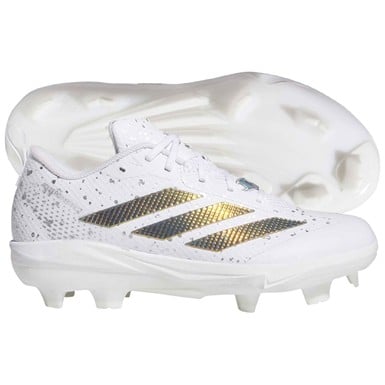
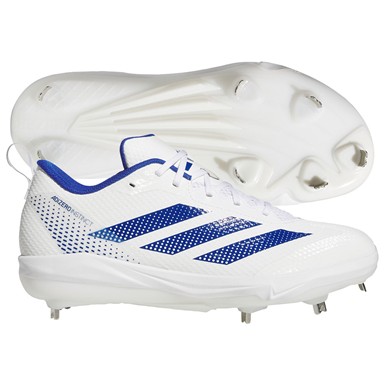
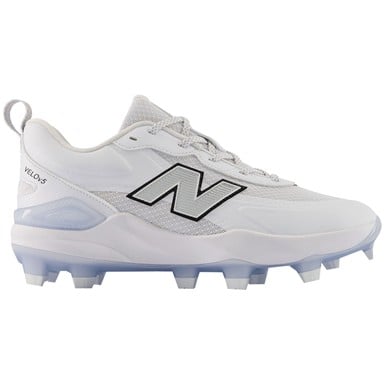
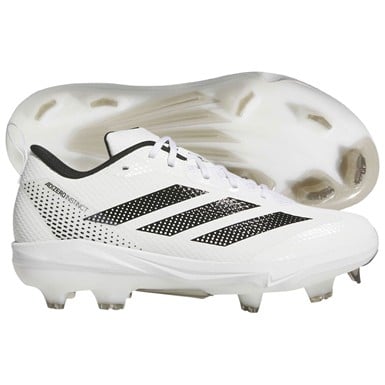
Youth Softball Cleats FAQs
What should I look for in youth softball cleats?
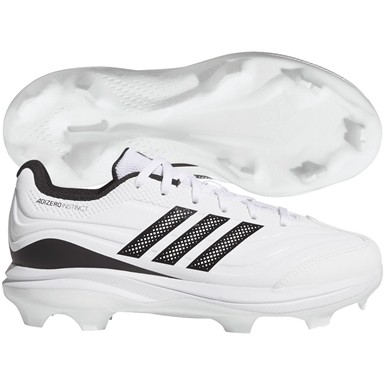
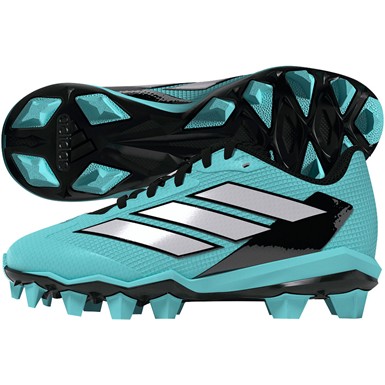
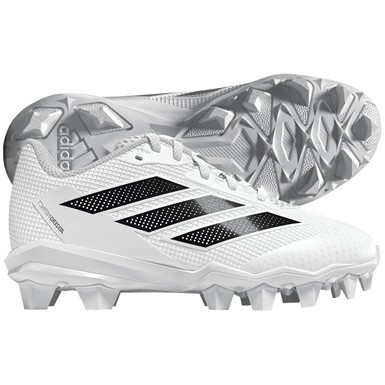
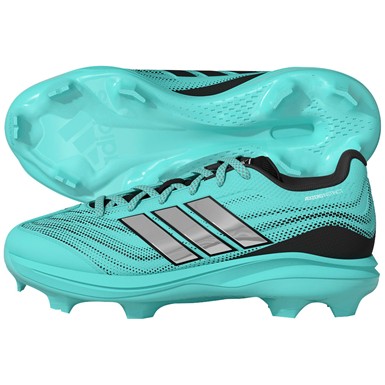
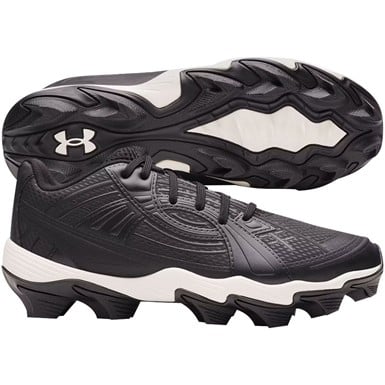
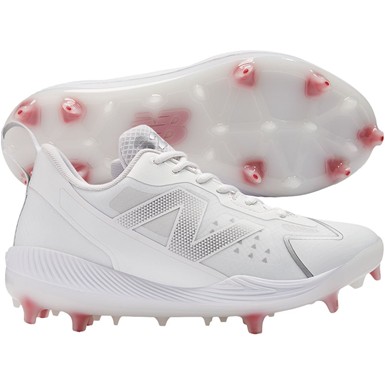
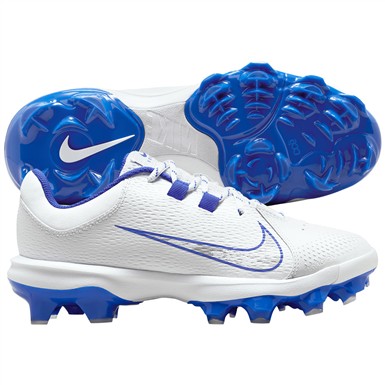
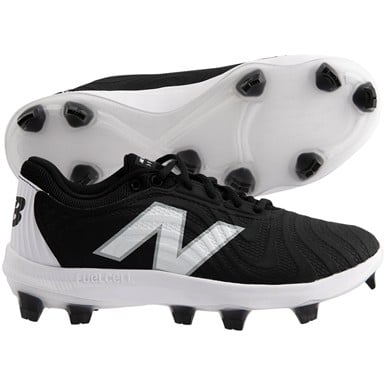
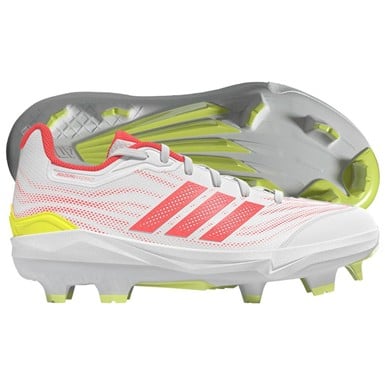
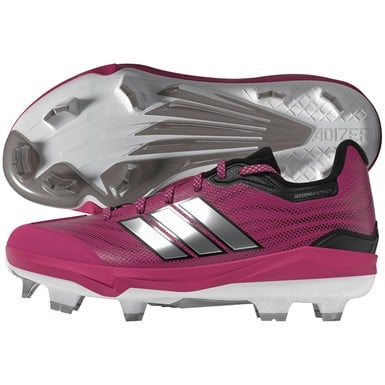
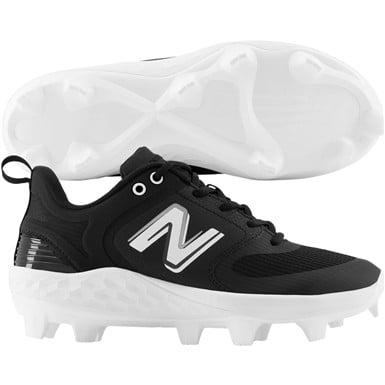
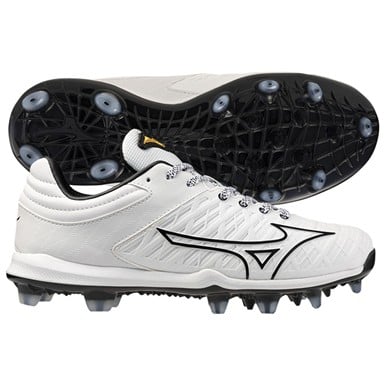
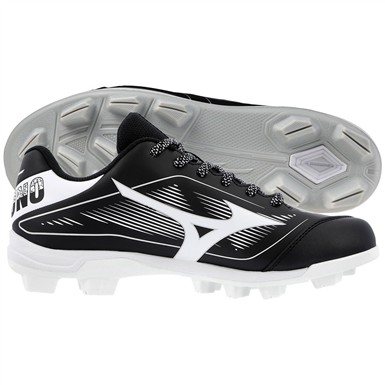
When choosing youth softball cleats, focus on comfort, traction, and a supportive fit. Look for lightweight designs with breathable uppers that keep feet cool during long practices. Molded or TPU studs are ideal because they provide stable grip on dirt and grass without the sharpness of metal spikes. A cushioned midsole helps reduce fatigue, while a snug heel fit prevents slipping inside the shoe. Durability also matters, youth players are active, and cleats should withstand regular practice, games, and varied field conditions.
Are metal cleats allowed for youth softball players?
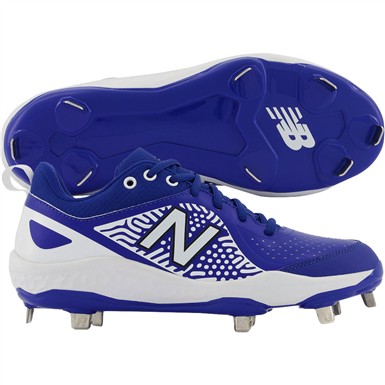
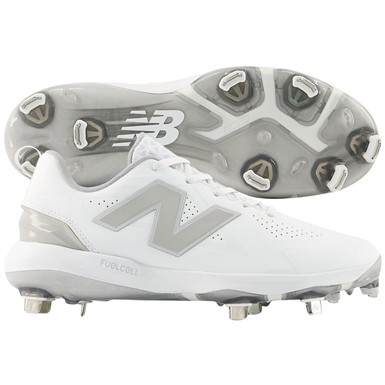
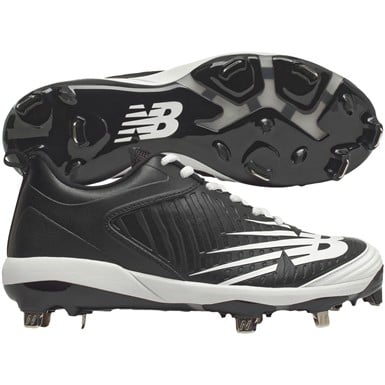
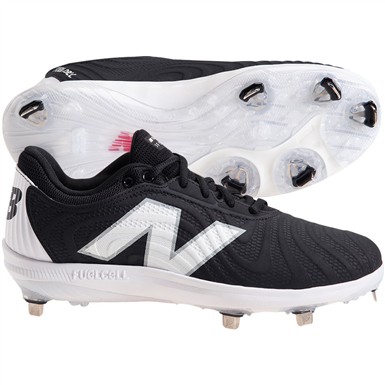
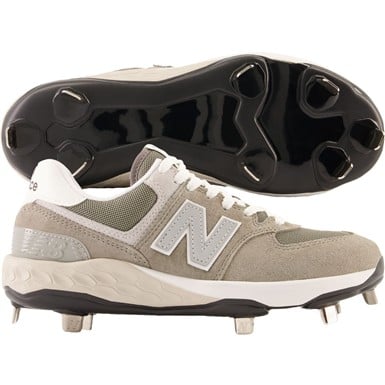
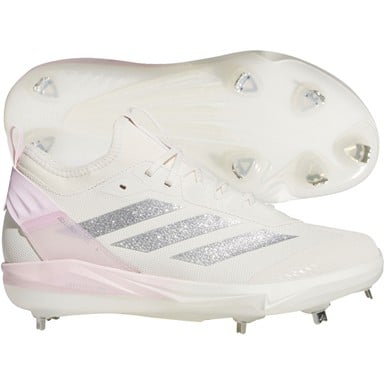
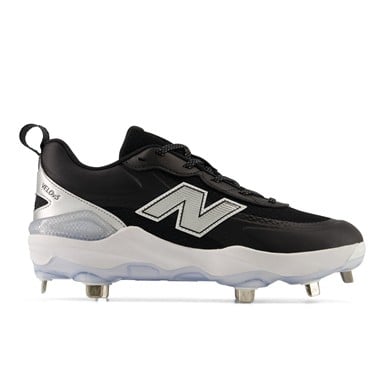
In most youth softball leagues, metal cleats are not permitted due to safety concerns. Younger players move unpredictably and play in close proximity, so metal spikes increase the risk of injury during slides, collisions, and crowded plays. Instead, leagues typically require molded or TPU cleats, which offer dependable traction with safer stud designs. Always check your league's specific rules before purchasing cleats, as policies can vary slightly between organizations and age groups. Using compliant footwear ensures young athletes can participate without equipment conflicts.
Should youth players wear molded or turf cleats?
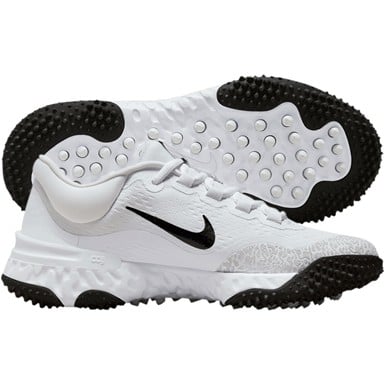
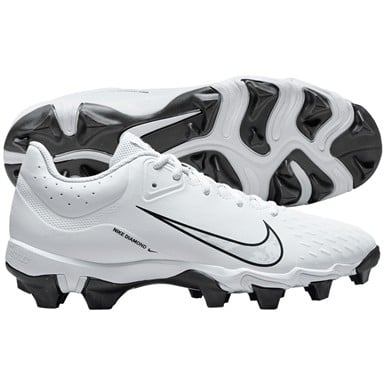
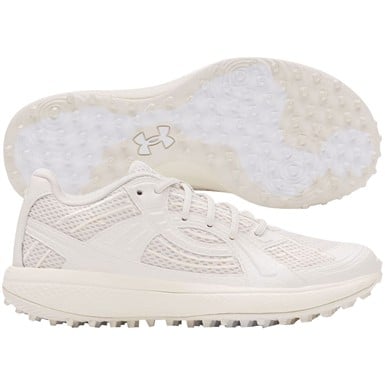
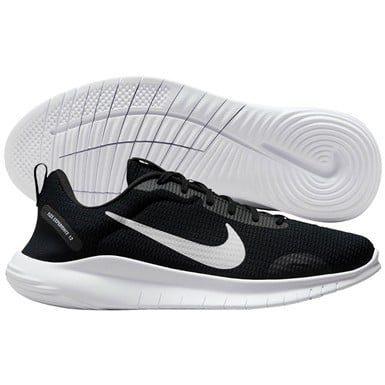
Most youth softball players benefit from molded cleats because they provide solid traction on standard dirt and grass fields commonly used for games and practices. Molded studs dig in enough to offer stability without feeling too aggressive for developing movement patterns. Turf shoes are ideal for artificial fields, indoor facilities, and batting cages, where molded cleats may slip or feel uncomfortable. Many families choose to have both, allowing young athletes to switch based on the playing surface. For most game days, though, molded cleats are the best choice.
How should youth softball cleats fit?
Youth softball cleats should fit snugly without causing discomfort. There should be about a thumb's width of space at the toes to allow natural movement and accommodate growth, but not so much room that the foot slides or feels unstable. The heel should stay securely in place during running and cutting movements. Having players try cleats on with their game socks helps ensure accurate sizing. A good fit improves traction, reduces blistering, and helps young athletes move confidently and safely on the field.
How do I choose the right cleats for a young developing player?
Choosing the right youth cleats means balancing comfort, safety, and durability with the player's skill level and playing surface. Beginners benefit from lightweight, flexible molded cleats that support learning proper footwork. More experienced youth athletes may prefer sturdier designs with added support. Consider factors like league rules, field type, and how often the player practices. If possible, let your child walk and jog in the cleats before committing. Prioritizing a comfortable, secure fit will help them develop confidence and stay focused on improving their game.