

AQID: 3f51bdb8cd43b48fdb254710f32a0db9

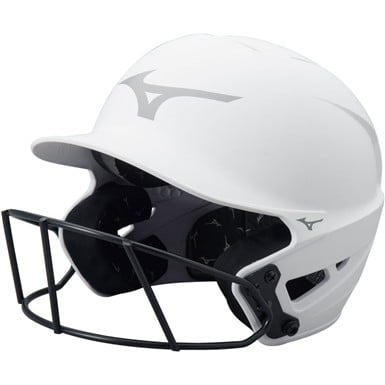
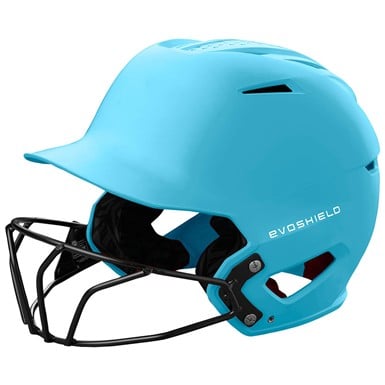
Youth Softball Batting Helmets

82 Results
Selection of a filter will refresh the page with new results.
Sort By: {{opt.text}}

About Youth Softball Batting Helmets

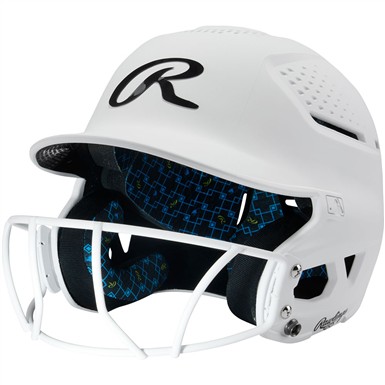
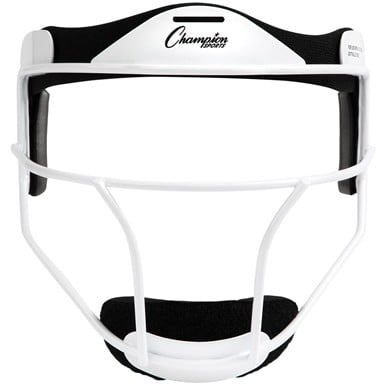
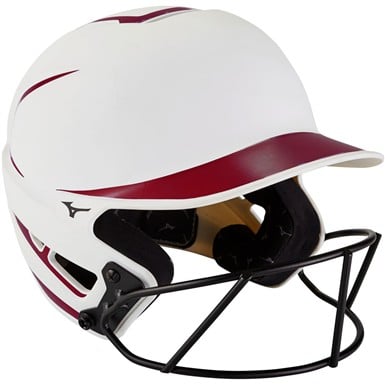
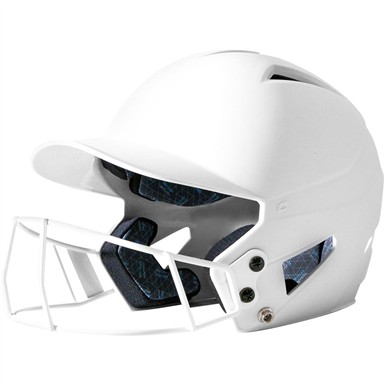
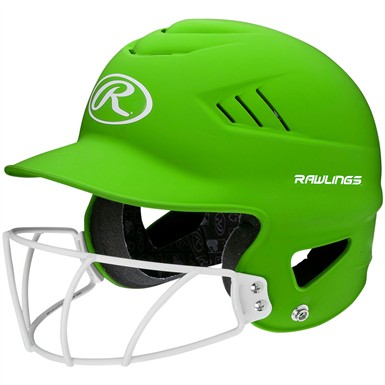
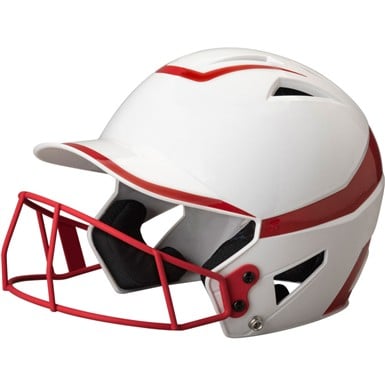
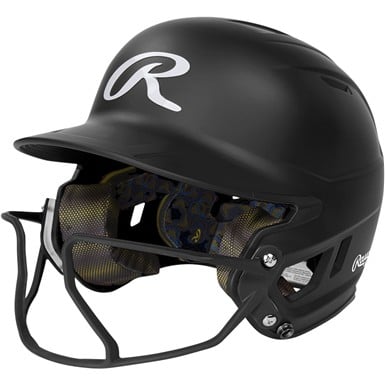
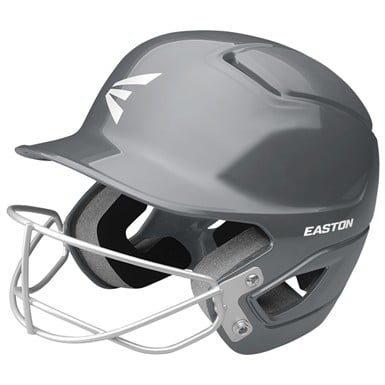
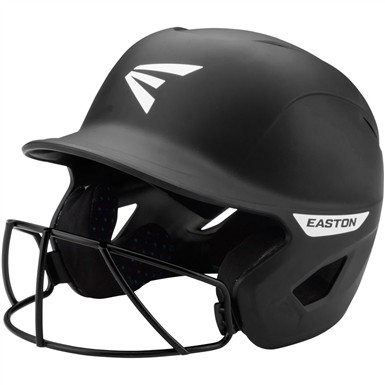
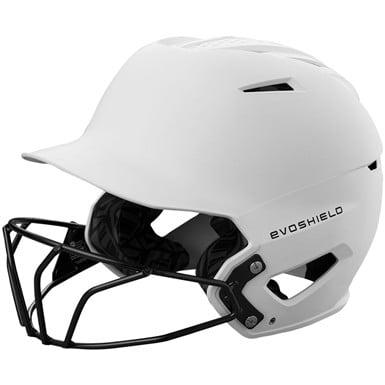
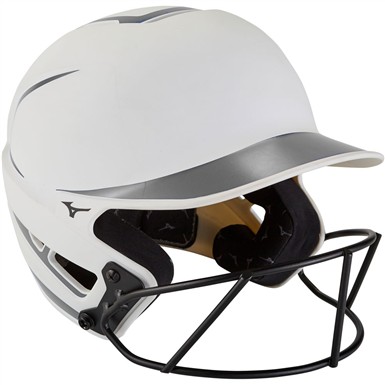
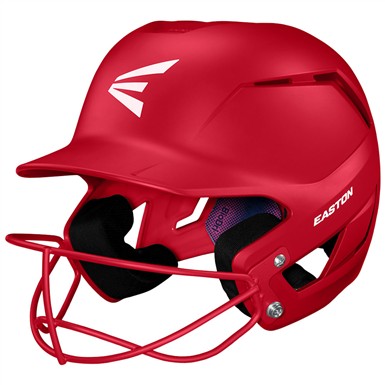
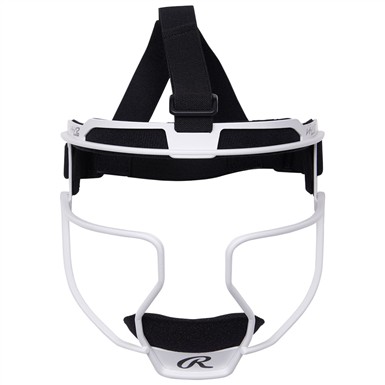
Youth softball helmets feature lightweight yet durable shells, moisture-wicking liners, and strategically placed vents for comfort and protection during play. Models in this category often include face guards or full cages, adjustable fit systems, and impact-absorbing materials that meet the safety standards required for younger athletes. Their construction focuses on balancing safety with an optimized fit that stays secure on smaller heads without sacrificing ease of wear.


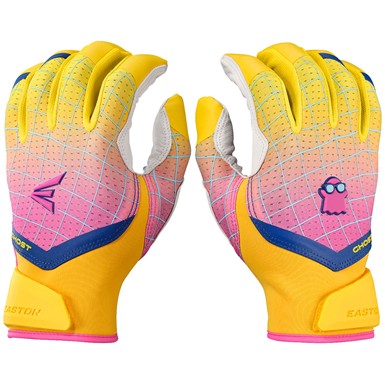
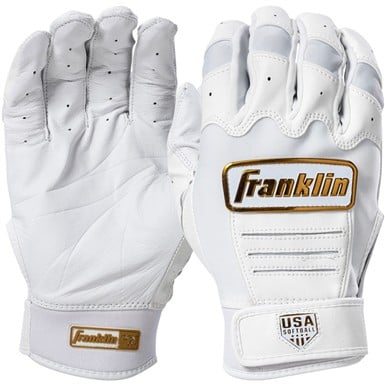
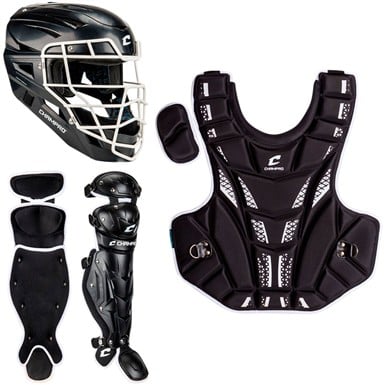
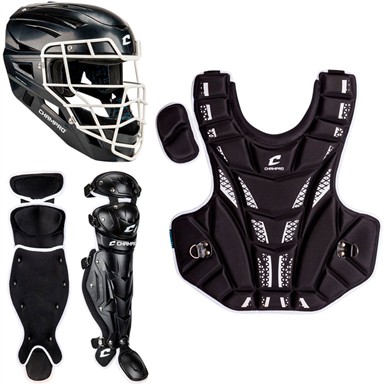
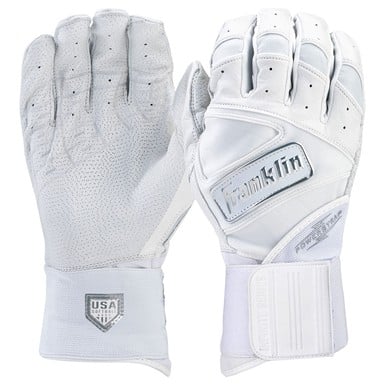
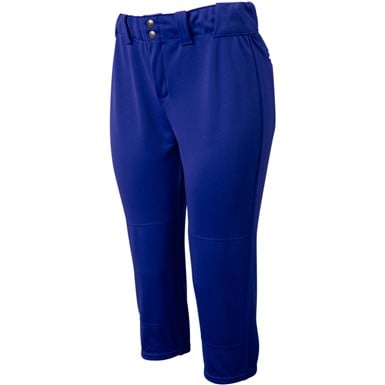
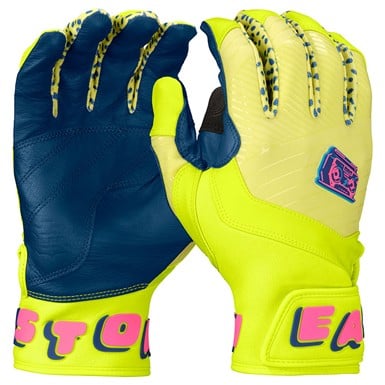
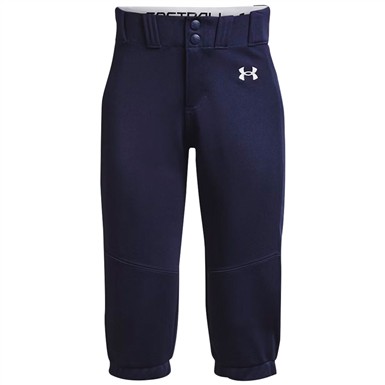
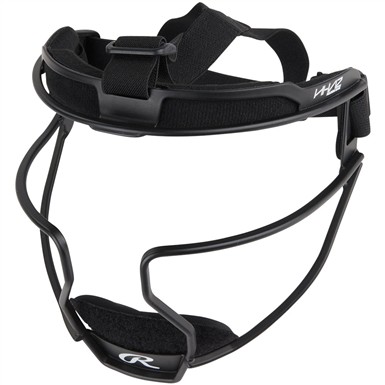
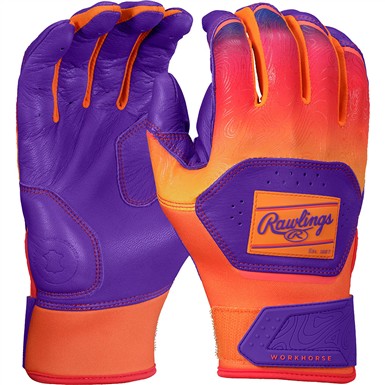
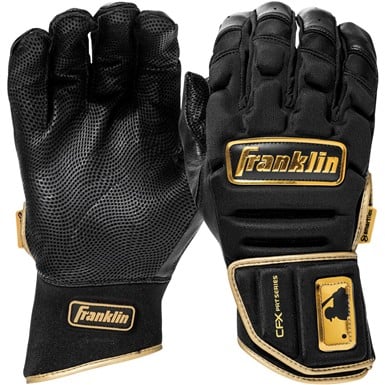
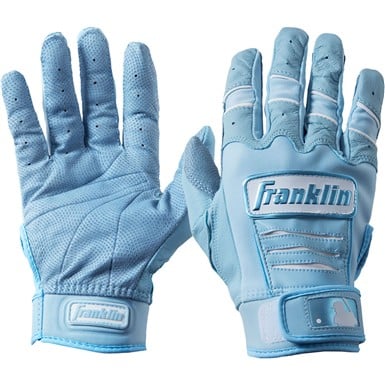
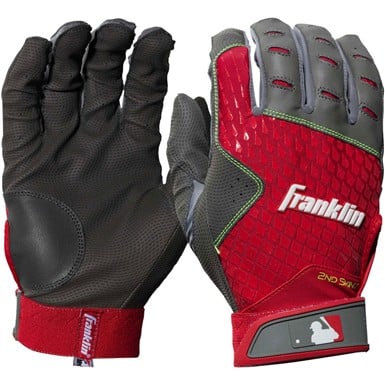
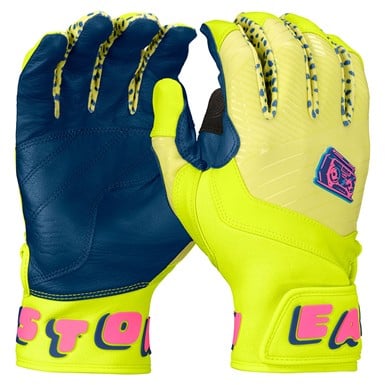
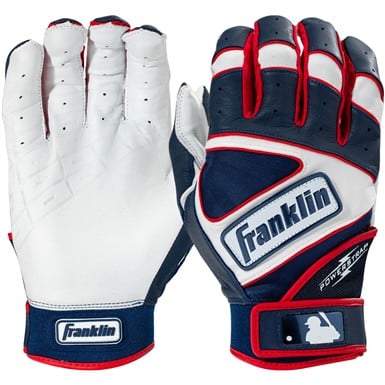
In both practice sessions and competitive games, youth batting helmets are essential for protecting players at bat and running bases. Current trends integrate improved airflow, modern color options, and compatibility with personalized accessories. To round out safety, pairing helmets with other essentials like youth softball protective gear and softball batting gloves adds another layer of player confidence and readiness.


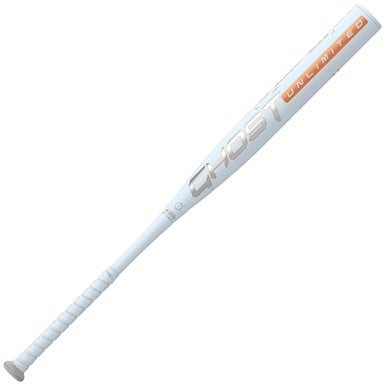
When selecting a youth softball helmet, always check league regulations for approved features and measurements. Be sure the helmet sits snugly but comfortably and pairs well with the player's softball bats for a complete, compliant setup. Proper care, such as cleaning the liner and shell after use and storing in a cool, dry place, helps the helmet last season after season.

Youth Softball Batting Helmets FAQs


How do you size a batting helmet for youth softball?

To size a batting helmet for youth softball, use a flexible tape measure to find the circumference of the player's head, just above the ears and eyebrows. Match this measurement in inches or centimeters to the helmet manufacturer's sizing chart, as sizes can vary by brand. A proper fit should be snug but not tight. The helmet should not shift when the head moves and should sit low on the forehead, about an inch above the eyebrows, to ensure full coverage and protection. Adjustable helmets are available for growing athletes for a customizable fit.


How should a youth softball batting helmet fit for comfort and protection?

A youth softball batting helmet should fit snugly all around the head without pinching or pressure points. It should cover the forehead and sit just above the eyebrows, with the ear holes aligned comfortably over the ears. The helmet should not wobble or move when shaking the head side to side or up and down. For optimal protection, the helmet must not be too loose or too tight. An adjustable chin strap can help secure the fit, adding stability during play. Proper fit helps absorb impacts and minimizes injury risk.


Can you use a softball batting helmet with a crack?

No, you should never use a softball batting helmet with a crack. Cracks in the helmet indicate compromised structural integrity, which means the helmet may not properly absorb impact or protect the head during play. Even minor cracks can affect the helmet's performance and safety. For your safety and compliance with league rules, always replace a helmet that is cracked, dented, or shows any signs of damage. Only use helmets that meet current safety standards and are in good condition for game play.


When should you replace a youth softball batting helmet?

You should replace a youth softball batting helmet if it shows signs of damage, such as cracks, dents, or missing padding. Helmets should also be replaced after any major impact, even if no visible damage is present. Most manufacturers recommend replacement every 35 years, regardless of appearance, as materials can weaken over time. Always check for certification and safety labels, and ensure the helmet still meets league regulations. Regular inspection helps ensure ongoing protection and player safety during games and practices.